neoplasia in cats nose
In severe untreated cases is can begin to eat away the nose. In healthy cats and cats with FURTD Moraxella spp.
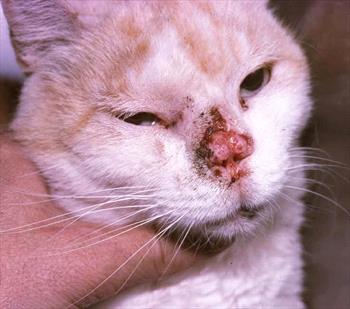
Nasal Squamous Cell Carcinoma In Cats Veterinary Partner Vin
High individual variability was observed.
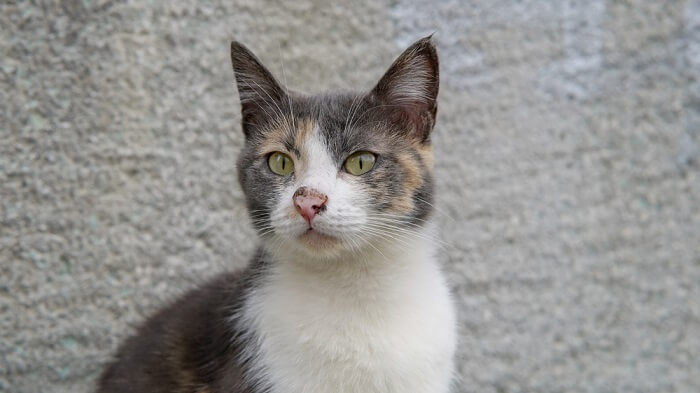
. Insects and arachnids which may bite or sting your cats nose and cause swelling include. Nasal and paranasal sinus tumors represent approximately 60-80 of all canine respiratory tract tumors but only 1-2 of all tumors and are less frequently observed in cats. Hospitalization and support as needed such as fluid therapy or blood transfusions.
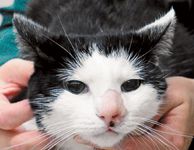
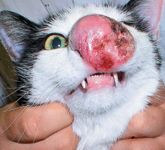
Signs vary but may include bleeding from the nose nasal discharge facial deformity from bone erosion and tumor growth sneezing or difficulty breathing. The symptoms of nasosinal tumors can overlap with those of other causes of nasal disease. The incidence in dogs is twice that in cats.
Nasal adenocarcinomas originate from the glandular cells eg sebaceous glands in the nasal cavity. X-rays of the skull CT rhinoscopy endscopic exam of the nose MRI nasal biopsies. Primary mass in nasal cavity causes local nasal signs nasal discharge epistaxis sneezing and invades surrounding soft tissues facial deformity epiphora.
Slow to spread to local lymph nodes and lungs. Surgical resection removal which is the treatment of choice. Treatment of Gastrointestinal Neoplasia in Cats.
Was the most common genus while it was unclassified Bradyrhizobiaceae in cats with nasal neoplasia. Once the tissue sense the presence of a pathogen the cats immune response sends antibodies to its location and inflammation occurs as they fight it off. The majority of nasal tumors are malignant.
The reason for the swelling is due to the cats immune response. After your cat has recovered from surgery your veterinarian may recommend radiation therapy or chemotherapy. Surgical debulking removing as much as possible to help improve clinical signs.
Feline leukemia virus associated lymphoma seems to be declining but possibly 14 to 50 of cats affected by lymphosarcoma are FeLV positive 3. Neoplasia and the kidneys Renal lymphoma is the most common renal tumor in cats and often presents with sudden onset of poor kidney function including acute kidney injury 2. In cats the most common nasal tumor is nasal lymphoma.
A nasal tumor is a type of cancer that results from the disorganized uncontrolled production of cells that line the nasal airway. Nose cancer or nasal adenocarcinoma occurs when too many cells in a cats nasal and sinus passages come together. These signs can include nose bleeding discharge difficulty breathing sneezing facial swelling facial deformity due to growing mass eye discharge weakness andor weight loss.
Sex predisposition in cats. Nasal tumors occur most commonly in the nasal cavity with secondary extension into the frontal and other paranasal sinuses. Previous URT infectioninflammation may cause polyps.
Standard X-rays are still acceptable and readily accessible imaging tools but their resolution and level of anatomical detail are not as good as for computed tomography CT scan. Male with a male-to-female ratio of 21. 10 years although cats with non-epithelial tumors may present at an earlier age.
Often the reasons cats develop cancer remain unknown. Excessive sneezing nasal discharge especially from one nostril bloody discharge from the nose increased tear production swollen or deformed looking nose poor appetite. The disease progresses slowly.
If your cat has surgery the part of the sinuses that are affected by the tumor will be removed during surgery. The signs with highest predictive value for nasal neoplasia were displacement of midline structures 73 unilateral generalised soft tissue opacity 70 unilateral generalised loss of turbinate detail 69 and evidence of bone invasion 64. This blend of vitamins and herbs will ease the symptoms and clear up your cats nasal passage.
Inhalation of carcinogens implicated in dogs - not known for cats. The mean age at time of diagnosis is 9510 years for dogs and 12 years for cats. Conclusion This study demonstrates that the nose of cats is inhabited by much more variable and diverse microbial communities than previously shown.
Options exist when the disease is caught early and. In cats there is an indication that inflammation of the mucous membrane lining the nose or one of the paranasal sinuses may be the trigger that leads to a growth in the nasal cavity. Unspayed females are at risk of mammary tumors Exposure to sunlight in lightly pigmented cats especially the ears nose face.
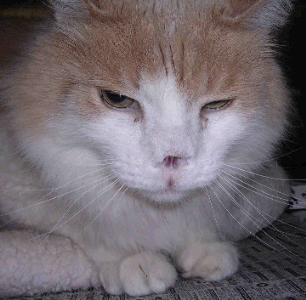
In cats there is an indication that inflammation of the mucous membrane lining the nose or one of the paranasal sinuses may be the trigger that leads to a growth in the nasal cavity. Gender indoor or outdoor housing quality or quantity of nasal discharge bacteriological findings of nasal flushes radiology and CT findings did not differ significantly between cats with neoplasia and cats with ICRS. This is a locally infiltrative tumour of the nose most common on cats with a pink or pale skinned nose.
2 In addition to tumor location histologic features including mitotic index nuclear atypia and degree of pigmentation are. Final diagnoses in these cats were rhinitis in 27 primary nasal neoplasia in 21 and non-nasal disease in 16. In dogs oral melanocytic neoplasms generally have a worse prognosis compared to cutaneous melanocytic neoplasms 1415 but this was not found to be the case in a recent study evaluating the clinical outcome of nonocular melanomas in cats.
Studies have shown nose cancer is more common in larger animal breeds than in smaller ones and it may be more common in males than females. Cats with neoplasia were older 3 - 15 median 11 years and showed clinical signs for a shorter period of time 1 - 8 median 2 months than cats with ICRS age 1 -. Incidence is also higher in males of both species than in females.
Tumors of the nose and paranasal sinuses account for 12 of all canine or feline tumors. Incidence is also higher in males of both species than in females. What are the symptoms of nasosinal tumors in cats.
Symptoms of nasal cancer in cats can remain concealed for as long as five years until the disease presents itself as a serious threat. Etiologic factors include exposure to smoke indoor kerosene or coal combustion and flea spray. Squamous cell carcinomas in the nose and sinuses are treated with a combination of surgery radiation therapy and chemotherapy.
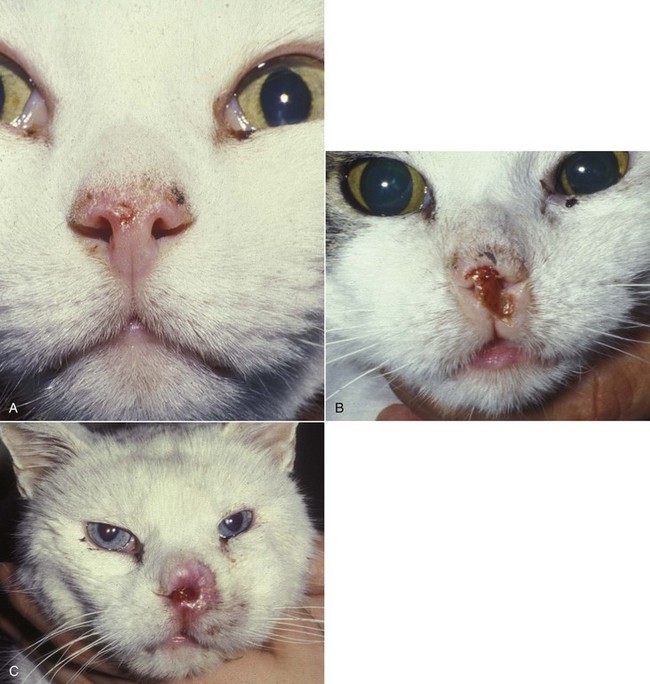
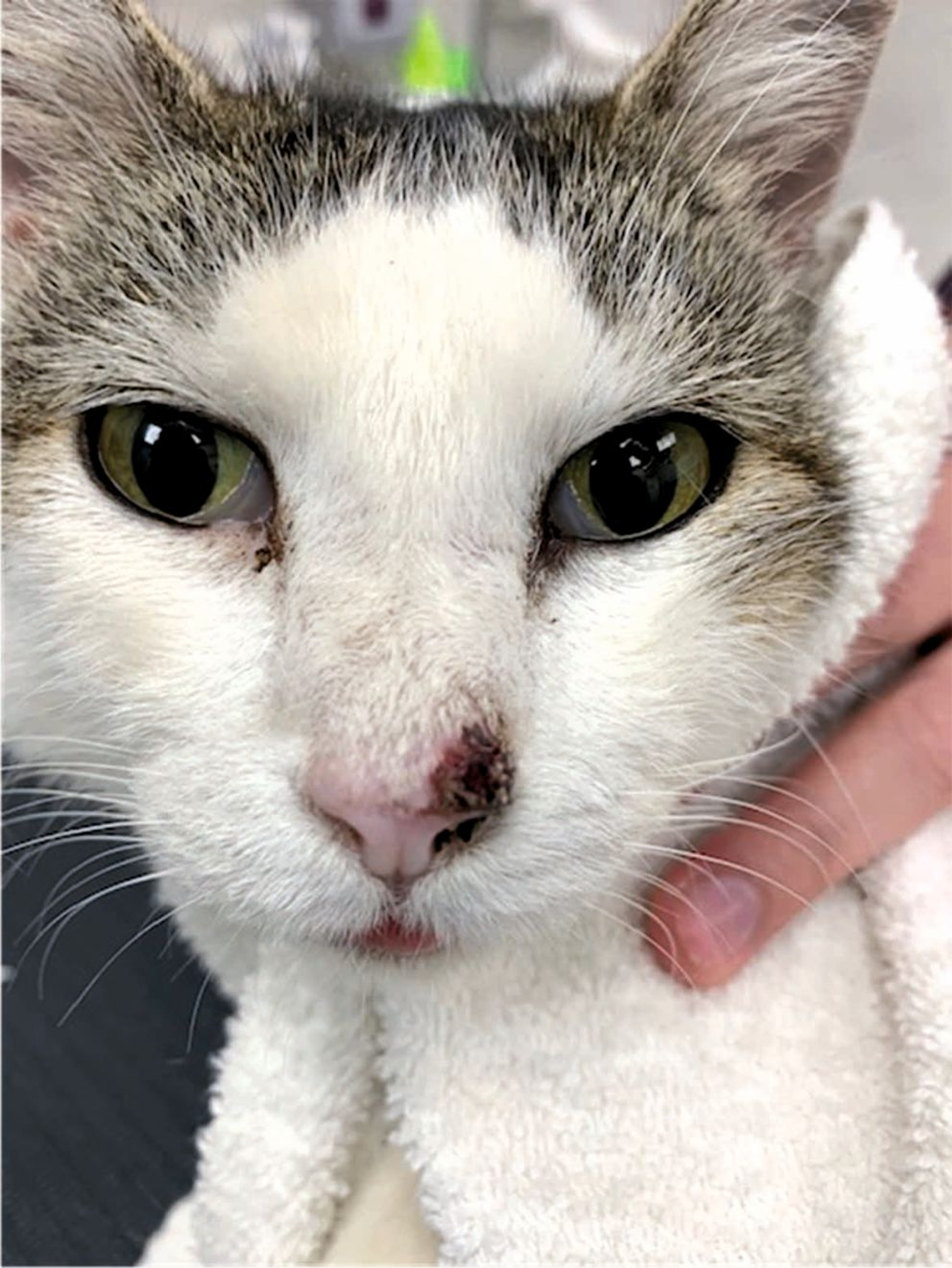
Tumors of nasal cavity represent approximately 1 of all tumors in dogs and less common in cats. In dogs the most common nasal tumor is nasal adenocarcinoma. It causes the painful ulceration of the nose and is often seen initially as a pink change progressing to an ulcerated surface and eventually a scab.
There are risk factors or other diseases that have been associated or known to cause cancer in cats including the following. The mean age at time of diagnosis is 9510 years for dogs and 12 years for cats. Sinu-Help is a 100 homeopathic formula that provides gentle and holistic relief of stubborn congestion in the nose and sinuses.
We highly recommend using a natural supplement such as our Sinu Support for Cats.
My Cat Has Nose Cancer Diagnosed 5 Years Ago Does It Hurt R Cats
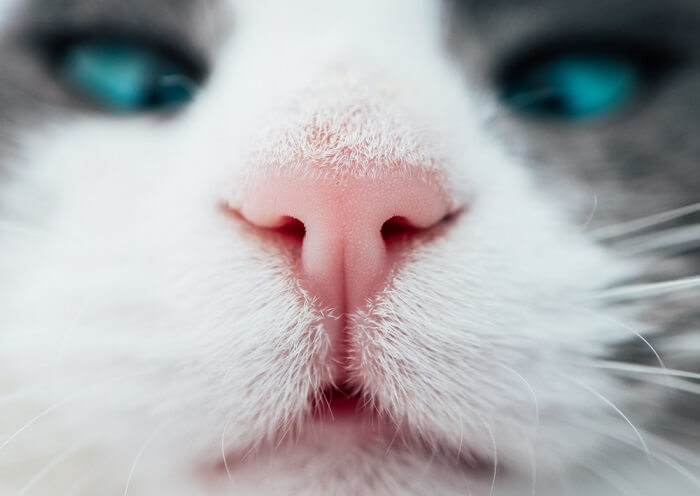
Nose Cancer In Cats Causes Symptoms Treatment All About Cats

Nasal Squamous Cell Carcinoma In A Cat Treated With One Session Of Download Scientific Diagram

Cat 7 Squamous Cell Carcinoma On Nose Stage T4 Two Sessions Of Download Scientific Diagram
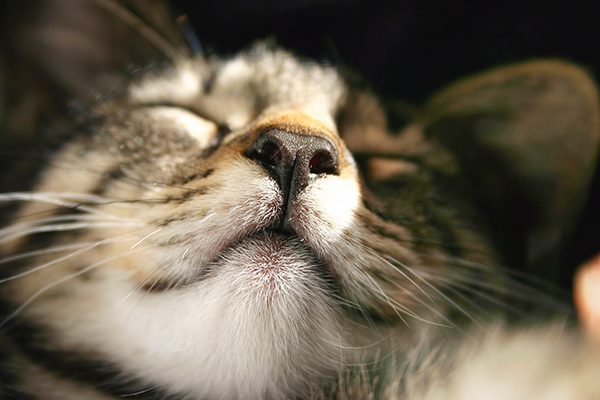
Learn About Nasal Cancer In Cats Petcure Oncology
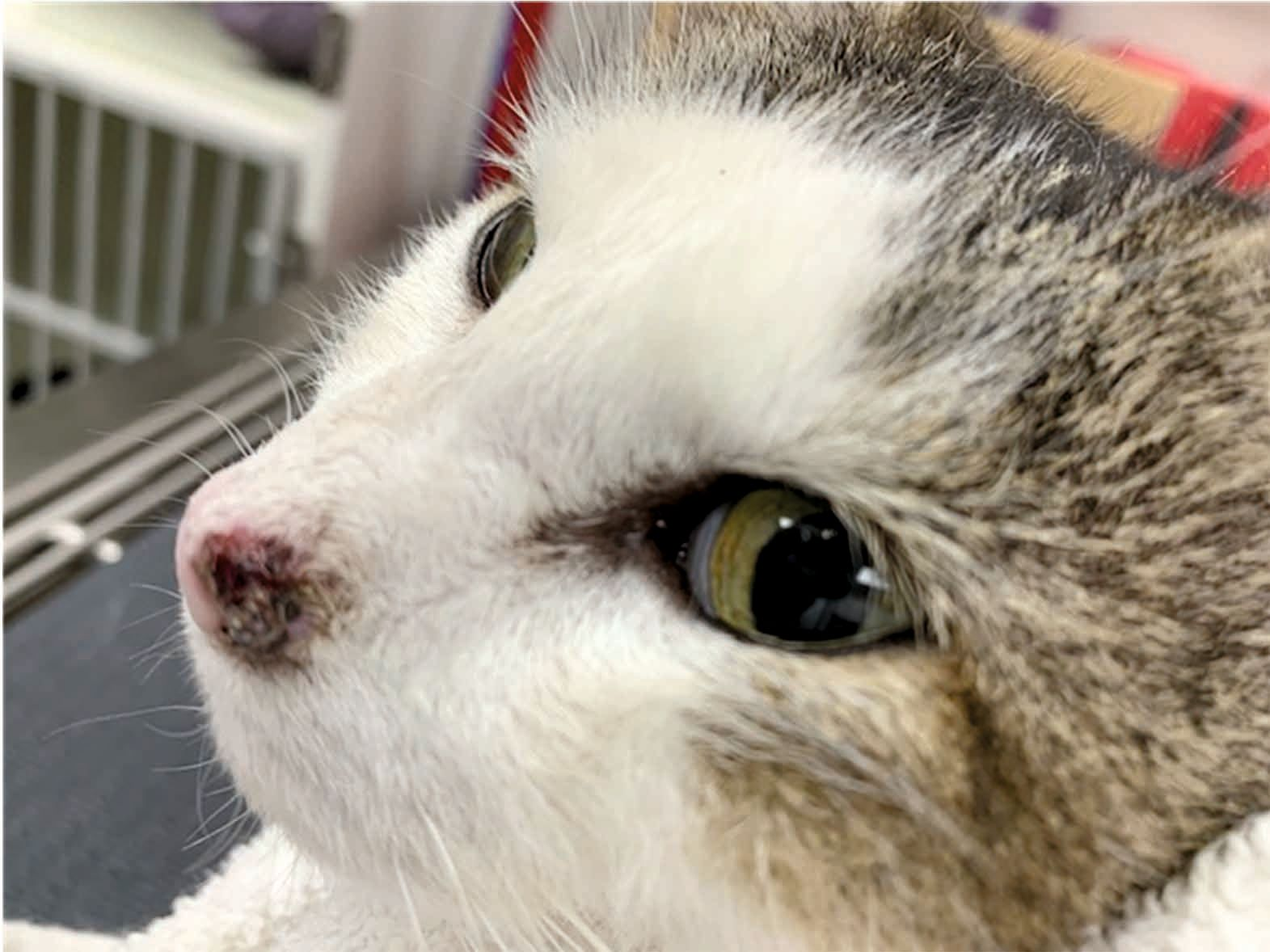
Diseases Of The Feline Nasal Planum Vet Focus
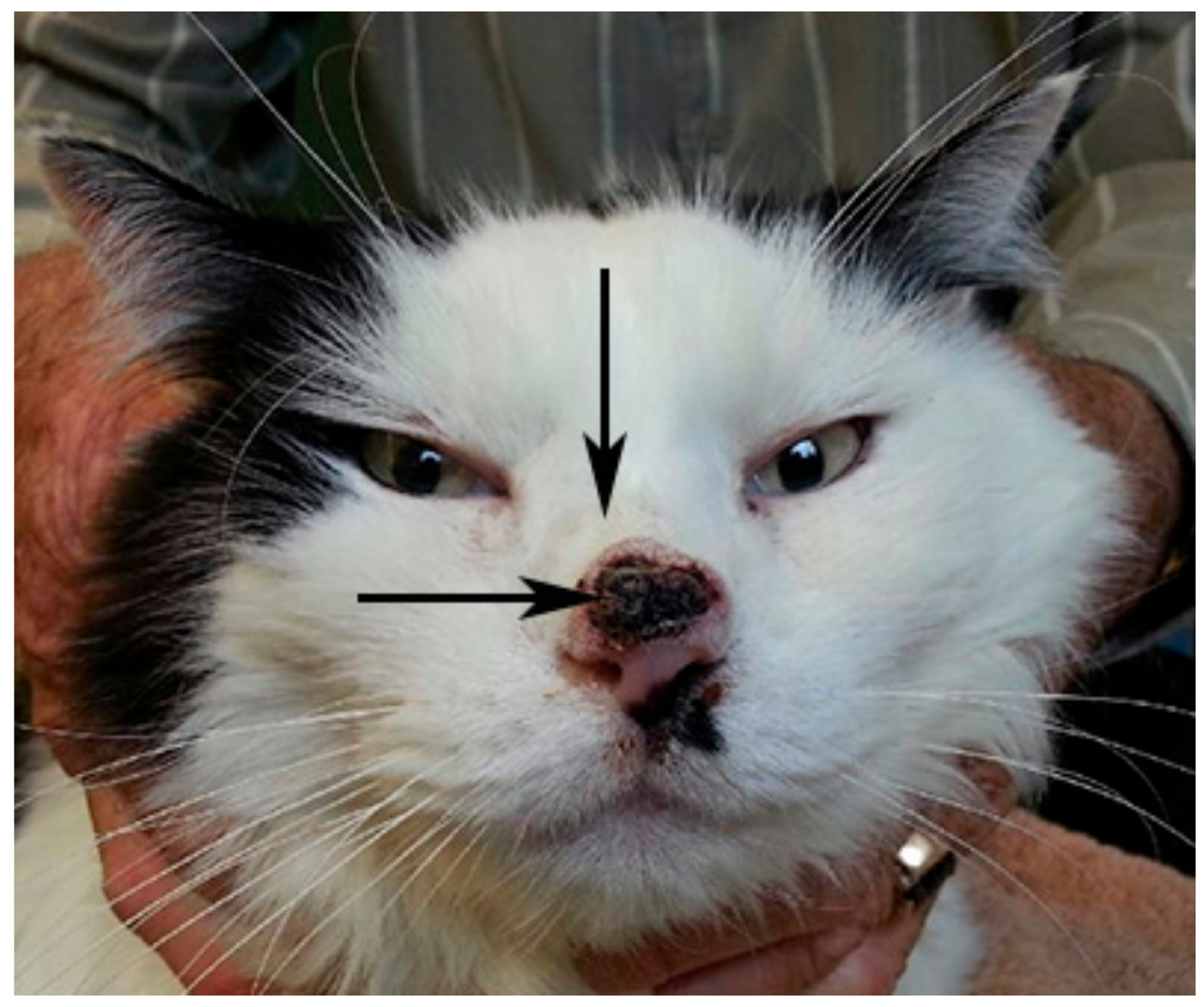
Viruses Free Full Text Identification Of A Novel Papillomavirus Associated With Squamous Cell Carcinoma In A Domestic Cat Html
Nose Cancer In Cats Causes Symptoms Treatment All About Cats
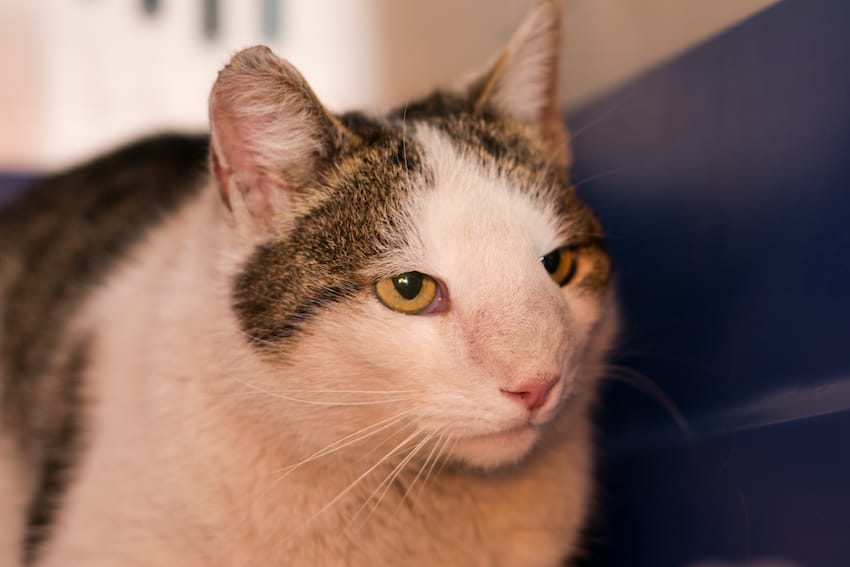
Nasal Tumors Lap Of Love
Tumors Of The Respiratory System Veterian Key
Nasal Squamous Cell Carcinoma In Cats Veterinary Partner Vin
Diseases Of The Feline Nasal Planum Vet Focus
Nose Cancer In Cats Petmd
Canine And Feline Nasal Tumors

Facial Distortion And Epiphora In A Cat With A High Grade Large B Cell Download Scientific Diagram
Canine And Feline Nasal Tumors
Surgical Treatment Of Squamous Cell Carcinoma Of The Nasal Planum In Cats Hellenic Journal Of Companion Animal Medicine

Cat 6 Squamous Cell Carcinoma On Nose Stage T2 One Ect Session Download Scientific Diagram
Nose And Sinus Cancer Squamous Cell Carcinoma In Cats Petmd